
Network environments are constantly evolving. Devices are added, configurations are updated, and emergency changes are often implemented to resolve outages or security concerns. While these changes are necessary, they can introduce an invisible problem that gradually impacts network stability: configuration drift.
Configuration drift occurs when network devices slowly diverge from their intended or approved configurations. Over time, these small differences can lead to inconsistent behavior, security risks, and operational challenges.
For organizations managing hundreds or thousands of devices, preventing configuration drift is essential for maintaining reliable and secure network operations.
What Is Network Configuration Drift?
Network configuration drift occurs when devices no longer match their standard configuration baseline. This often happens due to:
- Manual configuration changes
- Emergency fixes during outages
- Inconsistent deployment practices
- Lack of centralized change tracking
- Human error during CLI updates
While each individual change may seem minor, the cumulative effect can lead to networks that are difficult to troubleshoot and manage.
For example, two switches that were originally deployed with identical configurations may eventually contain different access control lists, routing policies, or security settings. These differences can introduce unpredictable behavior across the network.
Why Configuration Drift Is a Serious Problem
Configuration drift impacts enterprise networks in several important ways.
Increased Risk of Outages
Small configuration inconsistencies between devices can create unexpected behavior, leading to intermittent connectivity problems that are difficult to diagnose.
Security Vulnerabilities
Devices that drift from standard configurations may be missing required security policies such as access controls, authentication settings, or logging configurations.
Compliance Failures
Many organizations must comply with regulatory frameworks that require standardized configurations. Configuration drift can cause devices to fall out of compliance.
Slower Troubleshooting
When network configurations vary across devices, engineers must spend valuable time identifying what changed before resolving issues.
Common Causes of Configuration Drift
Several operational factors commonly contribute to configuration drift.
Manual CLI Changes
Direct command-line access allows administrators to make quick changes that may bypass standard configuration procedures.
Emergency Fixes
Temporary configuration adjustments made during incidents are often forgotten once the outage is resolved.
Inconsistent Deployment Practices
Different teams or engineers may deploy devices using slightly different templates or configuration methods.
Limited Change Visibility
Without automated monitoring, teams may not even realize when configuration changes occur.
Best Practices for Preventing Configuration Drift
Preventing configuration drift requires a combination of process, visibility, and automation.
Establish Configuration Baselines
Define standardized configuration templates for each device type. These baselines serve as the authoritative reference for how devices should be configured.
Automate Configuration Backups
Regular configuration collection allows teams to detect changes quickly and maintain a history of configuration updates.
Monitor for Unauthorized Changes
Continuous monitoring helps identify configuration changes that deviate from approved standards.
Enforce Compliance Policies
Automated compliance checks ensure required configurations remain consistent across all devices.
Standardize Change Management
Configuration changes should follow a defined approval and documentation process to maintain consistency.
How Automation Helps Prevent Configuration Drift
Automation platforms play a critical role in maintaining configuration consistency across large networks.
Automation tools provide capabilities such as:
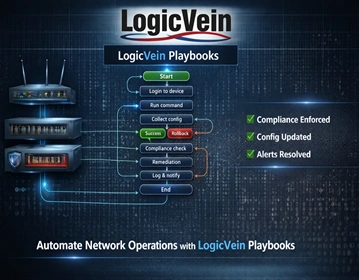
- Automated configuration collection
- Policy-based compliance monitoring
- Change tracking and alerting
- Centralized configuration management
- Automated remediation
These capabilities allow network teams to quickly detect and correct configuration inconsistencies before they impact operations.
Automation also reduces reliance on manual processes, which are often the primary cause of configuration drift.
The Importance of Continuous Visibility
One of the biggest challenges in managing large enterprise networks is maintaining visibility into configuration changes.
Without centralized monitoring, configuration drift may remain undetected until it causes an outage or security incident.
Continuous visibility allows IT teams to:
- Identify configuration changes immediately
- Track who made changes and when
- Compare configurations against defined policies
- Maintain consistent network standards
Moving Toward Proactive Network Operations
Preventing configuration drift is an important step toward proactive network management.
Rather than reacting to issues after they occur, organizations can maintain stable network environments by ensuring configurations remain consistent across devices.
With the right tools and processes in place, network teams can reduce operational risk, strengthen security posture, and spend less time troubleshooting configuration-related issues.
Conclusion
Configuration drift is an inevitable challenge in dynamic enterprise networks, but it can be effectively controlled through standardized configurations, automated monitoring, and centralized change management.
By continuously monitoring configurations and maintaining consistent policies across devices, organizations can significantly improve network reliability and security.
Call to Action
If your organization struggles to maintain consistent network configurations, automation platforms such as LogicVein Net LineDancer can help.
Net LineDancer enables network teams to:
- Automatically collect device configurations
- Detect configuration drift
- Enforce compliance policies
- Maintain accurate network documentation
Learn how automation can help your organization maintain stable, secure, and compliant network infrastructure.
Ready to See More?
Whichever approach fits your environment, LogicVein supports it. Watch our series of videos here or see all our features here to see how LogicVein can simplify your network operations while keeping access tightly controlled. Ready to see LogicVein in action? Request a Demo and discover how you can simplify operations, improve reliability, and gain full network visibility.